
Understanding Rectal Bleeding: Causes and Symptoms
- posted: Aug. 01, 2025
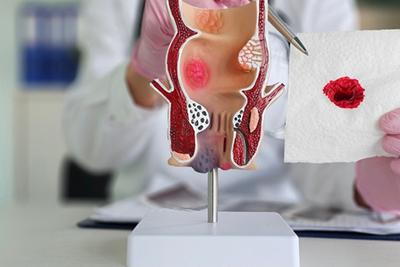
Rectal bleeding can understandably be a cause for concern, and it's important to understand its causes and symptoms to know when to seek medical assistance. At Tri-Cities Digestive Health Center in Kennewick, WA, serving the communities of Richland and Pasco, addressing concerns about digestive health, including rectal bleeding, is a priority.
What Causes Rectal Bleeding?
Several conditions may cause rectal bleeding, ranging in severity and seriousness. One of the most common reasons is hemorrhoids, or enlarged veins in the anus or lower rectum. These are usually caused by straining during a bowel movement, prolonged sitting, or chronic constipation. Anal fissures, or small tears in the anal lining, especially those that occur when passing hard stools, are another cause.
In addition to these, rectal bleeding can also be a sign of more severe conditions like colorectal cancer or polyps. Polyps are generally benign but can occasionally cause bleeding and, if not treated and watched, can turn into cancer. Inflammatory bowel disease, such as Crohn's disease and ulcerative colitis, can result in bleeding caused by chronic inflammation of the digestive tract. All of these afflictions have a varying course of treatment, highlighting the necessity for expert assessment.
Recognizing the Symptoms
Symptoms that usually accompany rectal bleeding may give some indication of their causes. Bright red blood indicates a source near the anus, like hemorrhoids or fissures. Dark, tarry stools reflect bleeding from further up the digestive tract and justify more prompt evaluation. Note also any other symptoms, such as a change in bowel habits, abdominal pain, or unexplained weight loss, which may point to a more serious illness.
Although the presence of blood may be concerning, understanding the symptoms that accompany it can inform decisions regarding the pursuit of care. At Tri-Cities Digestive Health Center, our professionals can help interpret these symptoms to ensure you receive proper, individualized care.
Seeking Professional Guidance
It's crucial to approach rectal bleeding with the seriousness it deserves, especially if it's persistent or accompanied by other concerning symptoms. Paying attention to your body’s signals and discussing them with a healthcare provider can illuminate the underlying issues and facilitate timely intervention. Consultation with specialists at Tri-Cities Digestive Health Center in Kennewick, WA, serving Richland and Pasco, ensures you’re supported by skilled professionals ready to address your concerns.
Should you or a loved one experience rectal bleeding, don't hesitate to contact Tri-Cities Digestive Health Center at (509) 460-5500. Their dedicated team is there to provide you with compassionate and thorough care, helping you understand and manage your digestive health effectively.
- posted: Aug. 01, 2025
Rectal bleeding can understandably be a cause for concern, and it's important to understand its causes and symptoms to know when to seek medical assistance. At Tri-Cities Digestive Health Center in Kennewick, WA, serving the communities of Richland and Pasco, addressing concerns about digestive health, including rectal bleeding, is a priority.
What Causes Rectal Bleeding?
Several conditions may cause rectal bleeding, ranging in severity and seriousness. One of the most common reasons is hemorrhoids, or enlarged veins in the anus or lower rectum. These are usually caused by straining during a bowel movement, prolonged sitting, or chronic constipation. Anal fissures, or small tears in the anal lining, especially those that occur when passing hard stools, are another cause.
In addition to these, rectal bleeding can also be a sign of more severe conditions like colorectal cancer or polyps. Polyps are generally benign but can occasionally cause bleeding and, if not treated and watched, can turn into cancer. Inflammatory bowel disease, such as Crohn's disease and ulcerative colitis, can result in bleeding caused by chronic inflammation of the digestive tract. All of these afflictions have a varying course of treatment, highlighting the necessity for expert assessment.
Recognizing the Symptoms
Symptoms that usually accompany rectal bleeding may give some indication of their causes. Bright red blood indicates a source near the anus, like hemorrhoids or fissures. Dark, tarry stools reflect bleeding from further up the digestive tract and justify more prompt evaluation. Note also any other symptoms, such as a change in bowel habits, abdominal pain, or unexplained weight loss, which may point to a more serious illness.
Although the presence of blood may be concerning, understanding the symptoms that accompany it can inform decisions regarding the pursuit of care. At Tri-Cities Digestive Health Center, our professionals can help interpret these symptoms to ensure you receive proper, individualized care.
Seeking Professional Guidance
It's crucial to approach rectal bleeding with the seriousness it deserves, especially if it's persistent or accompanied by other concerning symptoms. Paying attention to your body’s signals and discussing them with a healthcare provider can illuminate the underlying issues and facilitate timely intervention. Consultation with specialists at Tri-Cities Digestive Health Center in Kennewick, WA, serving Richland and Pasco, ensures you’re supported by skilled professionals ready to address your concerns.
Should you or a loved one experience rectal bleeding, don't hesitate to contact Tri-Cities Digestive Health Center at (509) 460-5500. Their dedicated team is there to provide you with compassionate and thorough care, helping you understand and manage your digestive health effectively.

Monday
8:00 am - 5:00 pm
Tuesday
8:00 am - 5:00 pm
Wednesday
8:00 am - 5:00 pm
Thursday
8:00 am - 4:00 pm
Friday
8:00 am - 5:00 pm
Saturday
Closed
Sunday
Closed