
Long-Term Management of Irritable Bowel Syndrome
- posted: Feb. 27, 2026
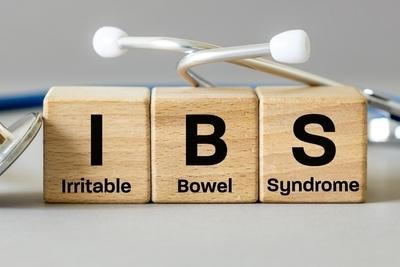
Living with irritable bowel syndrome (IBS) can feel unpredictable, with symptoms that come and go and affect daily routines. At Tri-Cities Digestive Health Center in Kennewick, WA, Dr. Somprak Boonpongmanee, Dr. Siew Min Wong, and Kimberly Larson, ARNP, work with patients to develop long-term management strategies that reduce symptoms and improve quality of life. With the right approach, many individuals can gain better control over their digestive health and feel more confident in their day-to-day activities.
Understanding Irritable Bowel Syndrome
Irritable bowel syndrome is a functional gastrointestinal disorder that affects how the digestive tract works. Unlike conditions that cause visible damage to the intestines, IBS involves changes in bowel habits and abdominal discomfort without clear structural abnormalities. Symptoms often include abdominal pain, bloating, gas, diarrhea, constipation, or a combination of both. Because IBS can vary from person to person, treatment plans are tailored to each individual’s specific symptoms and triggers.
Identifying Personal Triggers
A key part of long-term IBS management is recognizing what may trigger symptoms. Common triggers include certain foods, stress, hormonal changes, and lifestyle factors. Keeping a food and symptom journal can help identify patterns over time. Some patients find relief by limiting foods that commonly aggravate IBS, such as fatty foods, caffeine, dairy, or certain carbohydrates. A gastroenterologist may recommend a structured approach, such as a low-FODMAP diet, to help pinpoint sensitivities and guide dietary adjustments.
Lifestyle Changes for Symptom Control
Consistent daily habits play an important role in managing IBS. Regular physical activity can support healthy digestion and reduce stress, both of which influence symptoms. Establishing a routine for meals and sleep can also help regulate bowel function. Staying hydrated and incorporating appropriate fiber intake, depending on whether constipation or diarrhea is more prominent, can further support digestive balance. Small, manageable changes often lead to noticeable improvements over time.
Medical Treatment Options
For many patients, lifestyle adjustments are combined with medical treatment to achieve better symptom control. Medications may be used to manage specific symptoms, such as antispasmodics for abdominal cramping, medications for diarrhea or constipation, or therapies that address gut sensitivity. In some cases, probiotics or other supportive treatments may be recommended. Your provider will evaluate your symptoms and medical history to determine which options are most appropriate for your situation.
Managing Stress and Gut Health
The connection between the brain and the digestive system plays a significant role in IBS. Stress and anxiety can intensify symptoms, making stress management an important part of care. Techniques such as mindfulness, relaxation exercises, or behavioral therapy may help reduce symptom flare-ups. Addressing both the physical and emotional aspects of IBS supports more effective long-term management.
Partnering for Ongoing Care
Managing irritable bowel syndrome is an ongoing process that may require adjustments over time. Regular follow-up visits allow your provider to monitor your progress and refine your treatment plan as needed. At Tri-Cities Digestive Health Center in Kennewick, WA, patients receive comprehensive care designed to support long-term digestive health. To learn more about managing IBS or to schedule an appointment, contact our office serving Kennewick, Richland, Pasco, Yakima, and Walla Walla, WA, at (509) 460-5500.
- posted: Feb. 27, 2026
Living with irritable bowel syndrome (IBS) can feel unpredictable, with symptoms that come and go and affect daily routines. At Tri-Cities Digestive Health Center in Kennewick, WA, Dr. Somprak Boonpongmanee, Dr. Siew Min Wong, and Kimberly Larson, ARNP, work with patients to develop long-term management strategies that reduce symptoms and improve quality of life. With the right approach, many individuals can gain better control over their digestive health and feel more confident in their day-to-day activities.
Understanding Irritable Bowel Syndrome
Irritable bowel syndrome is a functional gastrointestinal disorder that affects how the digestive tract works. Unlike conditions that cause visible damage to the intestines, IBS involves changes in bowel habits and abdominal discomfort without clear structural abnormalities. Symptoms often include abdominal pain, bloating, gas, diarrhea, constipation, or a combination of both. Because IBS can vary from person to person, treatment plans are tailored to each individual’s specific symptoms and triggers.
Identifying Personal Triggers
A key part of long-term IBS management is recognizing what may trigger symptoms. Common triggers include certain foods, stress, hormonal changes, and lifestyle factors. Keeping a food and symptom journal can help identify patterns over time. Some patients find relief by limiting foods that commonly aggravate IBS, such as fatty foods, caffeine, dairy, or certain carbohydrates. A gastroenterologist may recommend a structured approach, such as a low-FODMAP diet, to help pinpoint sensitivities and guide dietary adjustments.
Lifestyle Changes for Symptom Control
Consistent daily habits play an important role in managing IBS. Regular physical activity can support healthy digestion and reduce stress, both of which influence symptoms. Establishing a routine for meals and sleep can also help regulate bowel function. Staying hydrated and incorporating appropriate fiber intake, depending on whether constipation or diarrhea is more prominent, can further support digestive balance. Small, manageable changes often lead to noticeable improvements over time.
Medical Treatment Options
For many patients, lifestyle adjustments are combined with medical treatment to achieve better symptom control. Medications may be used to manage specific symptoms, such as antispasmodics for abdominal cramping, medications for diarrhea or constipation, or therapies that address gut sensitivity. In some cases, probiotics or other supportive treatments may be recommended. Your provider will evaluate your symptoms and medical history to determine which options are most appropriate for your situation.
Managing Stress and Gut Health
The connection between the brain and the digestive system plays a significant role in IBS. Stress and anxiety can intensify symptoms, making stress management an important part of care. Techniques such as mindfulness, relaxation exercises, or behavioral therapy may help reduce symptom flare-ups. Addressing both the physical and emotional aspects of IBS supports more effective long-term management.
Partnering for Ongoing Care
Managing irritable bowel syndrome is an ongoing process that may require adjustments over time. Regular follow-up visits allow your provider to monitor your progress and refine your treatment plan as needed. At Tri-Cities Digestive Health Center in Kennewick, WA, patients receive comprehensive care designed to support long-term digestive health. To learn more about managing IBS or to schedule an appointment, contact our office serving Kennewick, Richland, Pasco, Yakima, and Walla Walla, WA, at (509) 460-5500.

Monday
8:00 am - 5:00 pm
Tuesday
8:00 am - 5:00 pm
Wednesday
8:00 am - 5:00 pm
Thursday
8:00 am - 4:00 pm
Friday
8:00 am - 5:00 pm
Saturday
Closed
Sunday
Closed