OVERVIEW
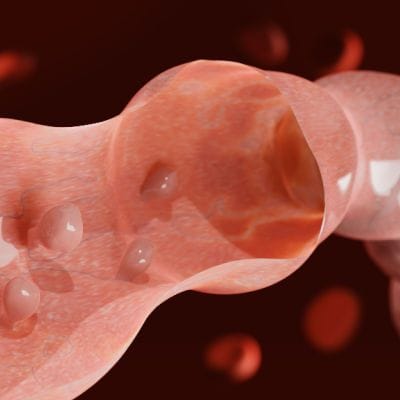
Colon polyps are growths on the surface of the large intestine (colon and rectum) that can be benign (non-cancerous) or cancerous. The most common type is an adenoma, a benign growth that has the potential to become cancerous in the future. Another common type of polyp is the hyperplastic polyp, which typically does not have the potential to become cancerous. Polyps are very common in adults and usually do not cause any symptoms.
What are the Causes of Colon Polyps?
Many factors can contribute to the development of colon polyps, but scientists are still working to identify all of them. Some risk factors include:
- Age
- Genetics- a family history of colon polyps or cancer
- Smoking
- Obesity
- Diet high in fat or red meat
- Diet low in fiber
- a history of inflammatory bowel disease (IBD)
Diagnosis of colon polyps: How are colon polyps diagnosed?
The best way to determine if you have a polyp is to undergo a colonoscopy with your doctor. During a colonoscopy, the doctor can examine the colon for polyps and look for signs of inflammation or damage. However, if you’re not comfortable with a colonoscopy or have other health concerns, your doctor may be able to determine if you have polyps with a simple stool test.
Treatment of colon polyps
When a colon polyp is found during a colonoscopy, your doctor can remove it during the procedure. Occasionally, larger polyps may require surgical removal. If you are found to have a colon polyp, you may need more frequent colonoscopies to ensure that you have not developed more colon polyps.
Making certain lifestyle changes can decrease the risk of developing polyps in the future, including:
- Weight loss, if overweight
- Stop smoking
- Limit alcohol consumption
- Eat a high fiber, low-fat diet
Although colon polyps are usually benign, some types can develop into cancer. It’s important to have regular colonoscopies so that any polyps can be detected and removed before they have a chance to turn into cancer. If you have any other risk factors for colon cancer, such as a family history of the disease, you may need to have more frequent exams.



Disclaimer:
The information on this website is provided for educational and information purposes only and is not medical advice. Always consult with a licensed medical provider and follow their recommendations regardless of what you read on this website. If you think you are having a medical emergency, dial 911 or go to the nearest emergency room. Links to other third-party websites are provided for your convenience only. If you decide to access any of the third-party websites, you do so entirely at your own risk and subject to the terms of use for those websites. Neither Tri-Cities Digestive Health Center, nor any contributor to this website, makes any representation, express or implied, regarding the information provided on this website or any information you may access on a third-party website using a link. Use of this website does not establish a doctor-patient relationship. If you would like to request an appointment with a health care provider, please call our office at (509) 460-5500.